


HPGR & Tungsten Wear-Part Recycling
Tungsten & Superalloy Recyclers purchases HPGR components and tungsten wear parts from mining, mineral-processing and industrial operations with end-of-life or surplus material available for recycling.
These materials can include worn HPGR wear components and tungsten-containing wear plates. Because designs, grades and material compositions vary, acceptance and value are assessed according to the material presented rather than assumed from equipment type alone.
Based in Malaga, Perth, we work with mining companies, processing operations and industrial suppliers across Western Australia and wider Australia. If you have HPGR carbide scrap or tungsten wear material, contact us to discuss whether it fits our purchasing scope.

Why Choose Us for HPGR & Tungsten Wear-Part Recycling
Tungsten & Superalloy Recyclers focuses on high-value tungsten-bearing materials, including confirmed purchasing of HPGR components and tungsten wear plates. That specialist scope keeps enquiries centred on the material rather than treating it as ordinary scrap.
As a direct buyer, the business assesses HPGR wear material within its established purchasing model. Value is considered according to composition, tungsten content, condition, grade and quantity, so different lots are not treated as automatically equivalent.
Our Malaga yard, Pilbara and Goldfields presence, and Australian collection network support enquiries from mine sites, processing facilities and industrial businesses holding recyclable wear material.

We had worn HPGR components from ongoing plant maintenance and wanted a recycling buyer that understood tungsten-bearing wear material rather than treating everything as general scrap. Tungsten & Superalloy Recyclers gave us a clear path to present the material for assessment and explained that composition, tungsten content, condition, grade and quantity can affect value. The process helped us handle the HPGR carbide scrap more confidently and gave us a clearer understanding of what the buyer needed to assess.

Our operation had tungsten wear plates and other worn material that had reached the end of its useful service life. We wanted to know whether the material could be purchased for recycling without making assumptions about its grade or value. Tungsten & Superalloy Recyclers kept the discussion focused on the actual material and its condition. We appreciated that our enquiry about recycling tungsten wear parts was handled as a specialist industrial material matter rather than as ordinary mixed scrap.

We had a mixed lot of used HPGR wear material and were unsure how the varying condition of the components would affect the enquiry. Tungsten & Superalloy Recyclers explained that material characteristics need to be assessed rather than applying one value to every item. That was useful for our maintenance team because it gave us a practical way to organise the HPGR wear parts for review and understand why different materials can be valued differently.

Our site needed a buyer for worn tungsten-containing wear components generated through mining and processing work. We were looking for a company with experience purchasing high-value industrial material and coverage that could support regional operations. The HPGR tungsten carbide recycling discussion was straightforward and focused on the material we actually had. We valued the clear explanation of assessment factors and the ability to discuss purchasing through an Australian network serving mine sites and industrial facilities.
HPGR Recycling Questions Answered
Understand accepted HPGR wear material, assessment factors, collection scope and what to consider before discussing a recycling enquiry.
Do You Buy Worn HPGR Components?
Tungsten & Superalloy Recyclers purchases HPGR components, including worn material that may have recycling value. Acceptance is not automatic for every component or grade, so HPGR wear parts are considered according to the material presented and its characteristics.
Which HPGR Parts May Contain Carbide?
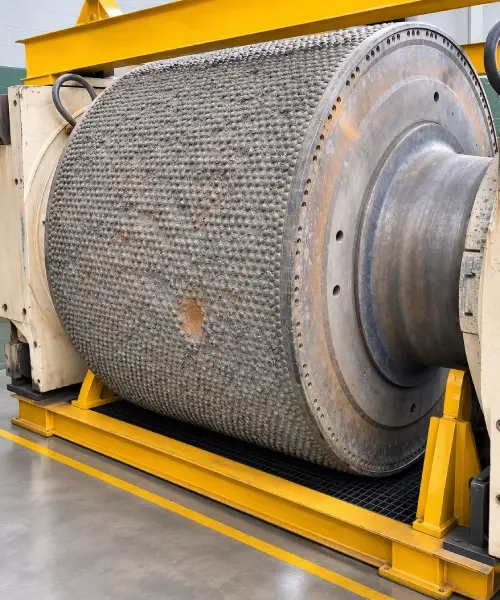
Some HPGR wear systems use studded tungsten-carbide roll surfaces, while designs and material combinations vary between equipment. For recycling enquiries, component names alone should not be treated as proof of composition; the actual HPGR wear material needs assessment.
Are Tungsten Wear Plates Accepted?
Yes. Tungsten-containing wear plates are a confirmed purchasing category. Exact specifications and grades have not been published, so tungsten wear plate recycling enquiries are assessed according to the material, condition and other relevant characteristics.
Must Steel Be Removed Before Recycling?
HPGR assemblies can vary, so there is no universal separation rule stated for every component. If tungsten carbide remains attached to steel or another material, contact us about the HPGR carbide scrap so its suitability can be considered within the confirmed purchasing scope.
How Is HPGR Scrap Value Assessed?
HPGR and tungsten wear material is not given one automatic rate. Material value can be influenced by composition, tungsten content, condition, grade and quantity, which is why HPGR carbide scrap should be assessed on its actual characteristics.
Can You Collect From Mine Sites?
The Australian purchasing network supports collection from remote mine sites, drilling operations, industrial facilities and businesses. For HPGR wear parts, the exact collection arrangement, timing and logistics depend on the enquiry and should be confirmed before relying on a specific collection plan.
HPGR Tungsten Carbide Recycling
End-of-life HPGR wear material can remain commercially relevant when tungsten carbide or other high-value material is present. Tungsten & Superalloy Recyclers purchases confirmed HPGR components for recycling, giving mining and processing operations a specialist route for material that has moved beyond its useful operating life.
Because HPGR designs and material combinations vary, HPGR tungsten carbide recycling should start with the actual material rather than assumptions based on equipment name. Used, worn or unprocessed tungsten-bearing material can be considered, with acceptance and value determined through assessment.
Worn HPGR Studs and Carbide Wear Components
Some HPGR wear systems use tungsten-carbide studs in their roll surfaces, which is why worn HPGR studs can become a recycling consideration when they are removed or reach end of life. Equipment designs vary, so the presence and composition of carbide should not be assumed from appearance alone.
For an HPGR studs recycling enquiry, contact us with the material you hold rather than assuming every removed component is within scope. Tungsten & Superalloy Recyclers does not publish an unconditional list of accepted HPGR component types or grades; suitability depends on assessment of the material presented.
Reasons To Trust Us for HPGR Wear-Part Recycling
Choose a buyer that keeps HPGR wear-material decisions grounded in the material presented, its condition and confirmed purchasing scope.
- Specialist purchasing for industrial tungsten wear material
- Used and unprocessed material can be considered
- Remote mine-site purchasing supports regional operations
- Global buying capability supports larger supply streams
- Long-term industrial supplier relationships are welcomed
- Acceptance remains based on material assessment
- No fixed value applied to every lot


0403 866 013
Discuss
Your HPGR Material
Have questions about HPGR components, tungsten wear parts or carbide scrap? Fill out the form to discuss your material and whether it fits our purchasing scope.
Selling HPGR Wear Material for Assessment
Start with the material you actually have: worn HPGR components, tungsten wear plates or other suspected tungsten-bearing wear material. Eligible material is purchased rather than handled as a disposal-only service, and the assessment considers characteristics such as composition, tungsten content, condition, grade and quantity.
Collection may be considered through the Australian purchasing network, including for remote mine sites and industrial facilities. Providing useful information about the material, approximate quantity, condition and location can help frame the enquiry, while the final purchasing and collection arrangements remain subject to assessment.
HPGR Recycling for Mines and Processing Plants
Mining companies, processing operations and maintenance teams can accumulate worn HPGR components as equipment reaches maintenance or replacement points. Where that material contains recoverable tungsten-bearing wear material, a specialist recycling enquiry can help determine whether it fits the purchasing scope.
Industrial suppliers and businesses holding surplus tungsten wear parts may also have relevant material. Tungsten & Superalloy Recyclers is positioned for business and industrial supply streams, with HPGR wear parts recycling focused on end-of-life or surplus material rather than household scrap.
Recovering Value From Tungsten Wear Material
Worn does not automatically mean valueless. The commercial value of tungsten wear material can depend on what it contains and how the lot presents, including composition, tungsten content, condition, grade and quantity. That makes material assessment more useful than relying on a generic price per kilogram.
For mines and processing operations, selling suitable end-of-life wear material creates a direct purchasing route for material already removed from service. Tungsten wear parts recycling can therefore turn a maintenance by-product into material that is considered for recovery and downstream processing without making unsupported promises about price or recovery yield.
HPGR Wear-Part Recycling in Western Australia
Tungsten & Superalloy Recyclers has its main Australian yard in Malaga, Perth, with client-confirmed depot presence in the Pilbara and Goldfields. That footprint supports HPGR wear-part recycling enquiries from Western Australian mining and industrial operations, including businesses working away from metropolitan Perth.
The broader purchasing network also covers multiple Australian states and remote mine-site collection capability. Exact collection arrangements are confirmed case by case, so businesses with HPGR carbide scrap outside Perth can still enquire without assuming a particular transport method or timeframe.
Clearer Assessment for Mixed HPGR Material
HPGR wear material does not always arrive as a neat, uniform lot. Used and unprocessed tungsten-bearing material can be considered, which is useful when components differ in condition or when the exact grade is not immediately clear. The important point is to avoid treating every item as equivalent.
For mixed HPGR wear material, assessment helps separate assumptions from the characteristics that actually influence purchasing value. This is especially relevant for carbide wear components scrap where composition, tungsten content, grade, condition and quantity may differ across the material presented.
Is Your HPGR Wear Material Suitable?
This service is suited to businesses holding worn or surplus HPGR components, tungsten wear plates and related tungsten-bearing wear material for potential sale and recycling. It is not a replacement-parts, HPGR maintenance or engineering service, and no claim is made that every component or grade will be accepted.
If you are deciding whether to enquire, focus on whether the material comes from an industrial HPGR or wear application and may contain tungsten-bearing material. Where the composition or grade is uncertain, an enquiry allows the material to be considered without relying on an unsupported assumption.
Enquire About HPGR Carbide Scrap
If your operation has worn HPGR components, tungsten wear plates or suspected carbide wear material ready for sale, contact Tungsten & Superalloy Recyclers to discuss the material. The enquiry can establish whether it fits the purchasing scope and what factors are relevant to assessment.
For larger mine, plant or industrial lots, sharing the information you already have about material type, approximate quantity, condition and location can support a more useful discussion. Collection, purchasing details and any next steps can then be addressed according to the actual material and circumstances.
HPGR Wear Material Suitability Guide
| What You Have | Confirmed Scope | What To Know |
|---|---|---|
| HPGR components | Purchased for recycling | Specific components and grades require assessment |
| Tungsten wear plates | Accepted purchasing category | Exact specifications and grades are not pre-confirmed |
| Used wear material | Used material can be considered | Condition can influence material value |
| Mixed or unprocessed material | Both forms can be considered | Acceptance and pricing depend on assessment |
| Large mine or plant lot | Quantity is an assessment factor | No minimum purchase quantity is confirmed |
| Remote mine-site material | Remote-site collection is supported | Specific timing and logistics require confirmation |
HPGR Wear Material: Quick Reference
Six practical points to check before discussing worn or surplus HPGR material for sale and recycling.
Buyer, Not Disposal Service
Eligible HPGR and tungsten-bearing wear material is purchased for recycling. This service is not a disposal-only, replacement-parts, HPGR maintenance or engineering service.
Composition Comes First
An HPGR component name or appearance does not confirm tungsten carbide content. Designs and material combinations vary, so suitability should be based on the actual material presented for assessment.
Attached Steel Can Be Discussed
There is no stated universal rule requiring steel to be removed from every HPGR component. If carbide remains attached to steel or another material, enquire about the complete material.
Share What You Know
Provide the material type, approximate quantity, condition and location where available. If composition or grade is uncertain, enquire rather than assigning a specification that has not been confirmed.
Industrial Supply Focus
The service is aimed at mining companies, processing operations, maintenance teams, industrial suppliers and other businesses with HPGR wear material, rather than household or general-purpose scrap.
No Standard HPGR Rate
HPGR and tungsten wear material does not have one automatic purchase rate. Value can vary with composition, tungsten content, condition, grade and quantity, so each lot requires assessment.